
Wisdom Teeth Extractions – Relieving Pain & Preventing Complications
For many, wisdom teeth emerge without issue—often between the ages of 18 and 25, though they can appear later or not at all. Thanks to modern dental care, our teeth now last much longer, which means wisdom teeth are no longer as essential as they once were. Instead of replacing lost molars, they often compete for space, leading to crowding, discomfort, or infection.
At TwentyOneDental, we’re here to help when wisdom teeth become more trouble than they’re worth. Issues can sometimes develop silently, so we recommend routine dental examinations to monitor wisdom teeth early and prevent complications.
If removal is necessary, our expert team will ensure the procedure is carried out with care, comfort, and your wellbeing in mind.

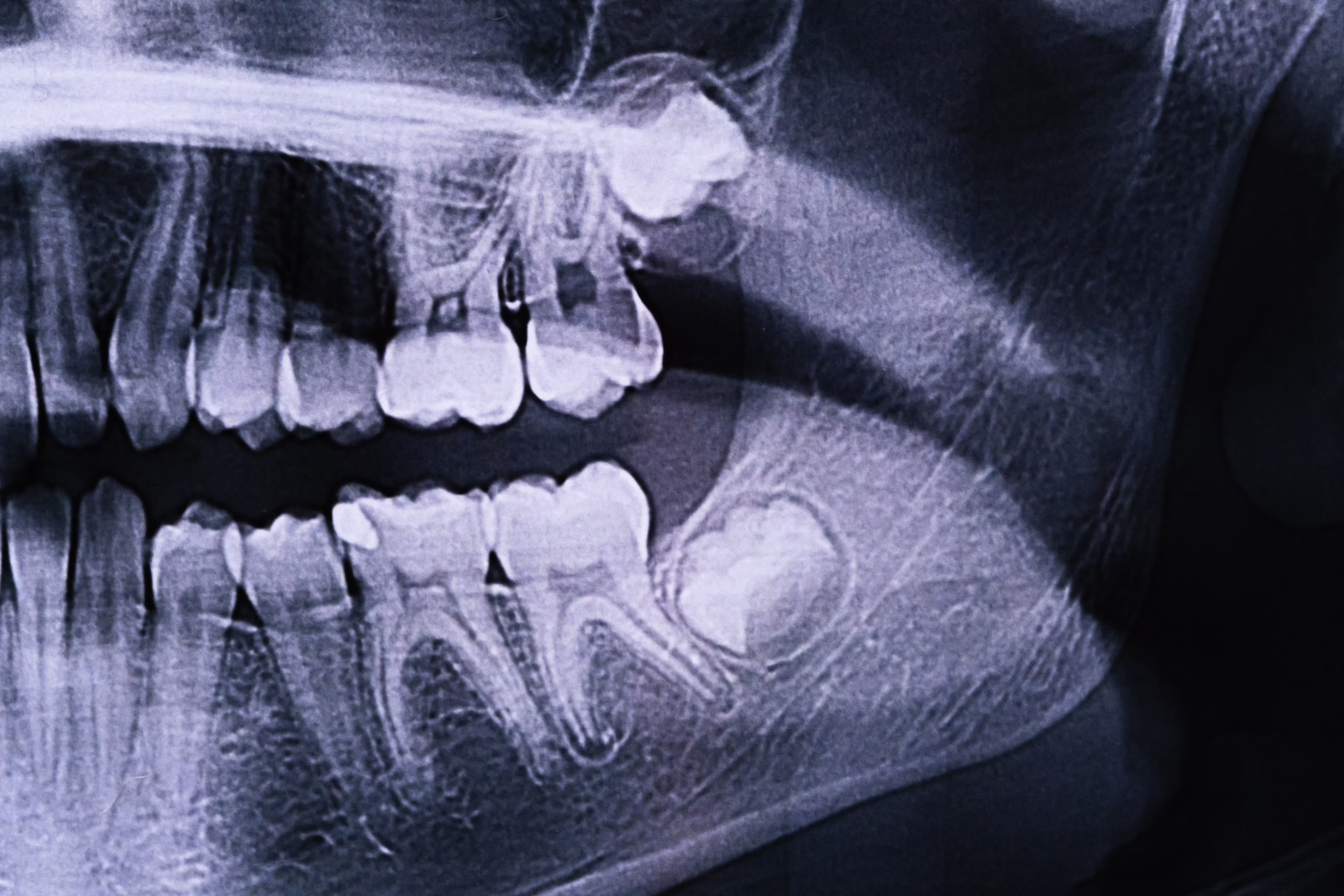
Wisdom Teeth – Potential Problems and When to Seek Treatment
Wisdom teeth, also known as third molars, are the final set of teeth to emerge, typically appearing in late adolescence or early adulthood. In many cases, they can grow without issue. However, due to limited space in the mouth, they often cause complications.
Impacted Wisdom Teeth
Impaction occurs when a wisdom tooth fails to fully erupt and grows at an angle into adjacent teeth. This can lead to:
- Localised pain or discomfort
- Swelling and inflammation
- Infection of the surrounding gum tissue
- Damage to neighbouring teeth and bone structure
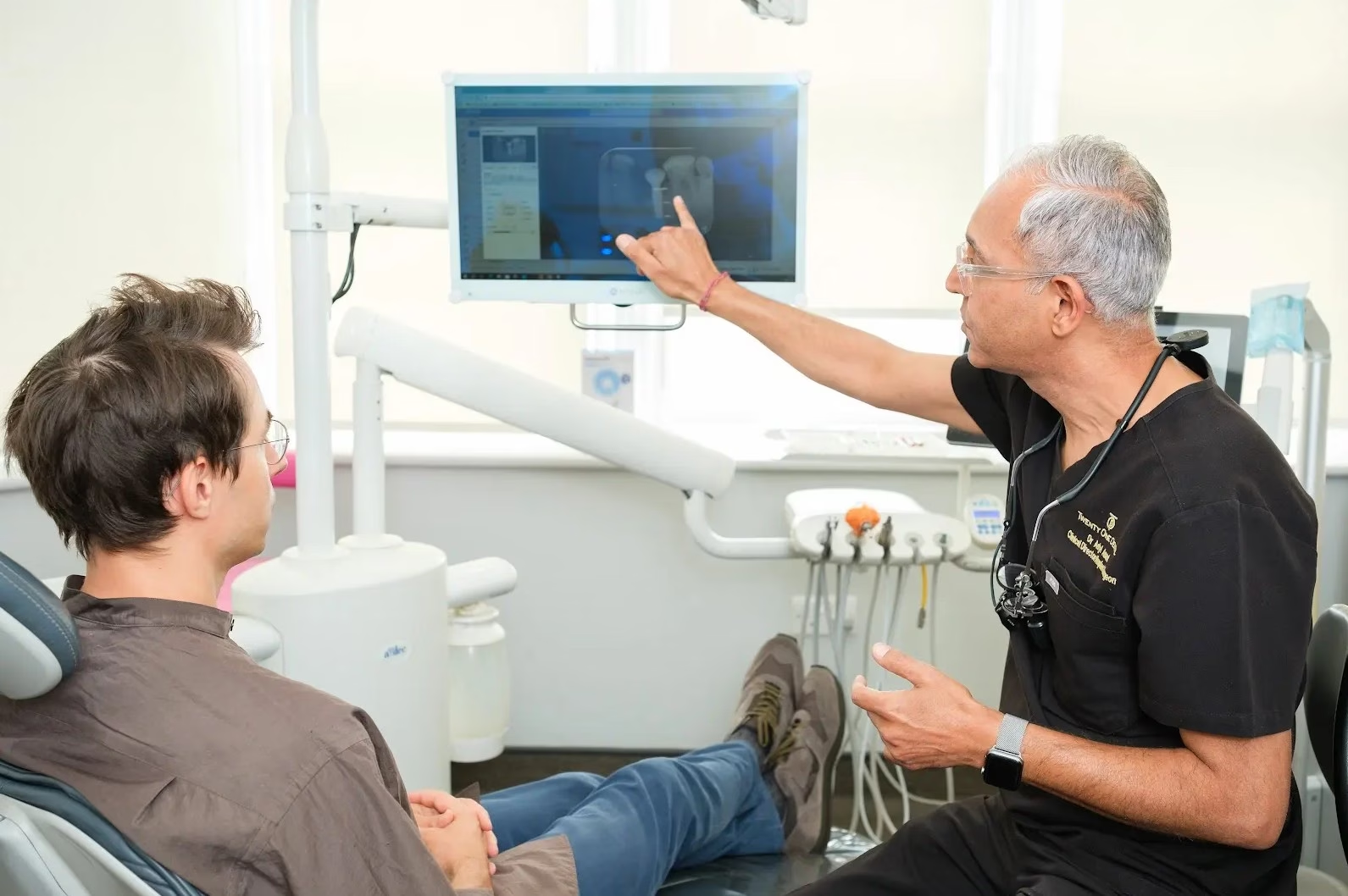
At TwentyOneDental, we use advanced digital imaging to assess the position of your wisdom teeth. If there is a risk of impaction or associated complications, we may recommend removal to prevent further issues.
Partially Erupted Wisdom Teeth
Wisdom teeth that only partially break through the gum can create a breeding ground for bacteria. These areas are difficult to clean, increasing the risk of:
- Tooth decay
- Gum infection (pericoronitis)
- Persistent bad breath
- Pain and sensitivity
Food debris and plaque can become trapped beneath the gum flap, leading to infection and discomfort. If left untreated, these issues can escalate and affect overall oral health.
If you are experiencing discomfort, swelling, or suspect your wisdom teeth may be causing problems, we encourage you to schedule an assessment. Early diagnosis and timely intervention can help preserve your long-term dental health.
How do we remove wisdom teeth at TwentyOneDental?
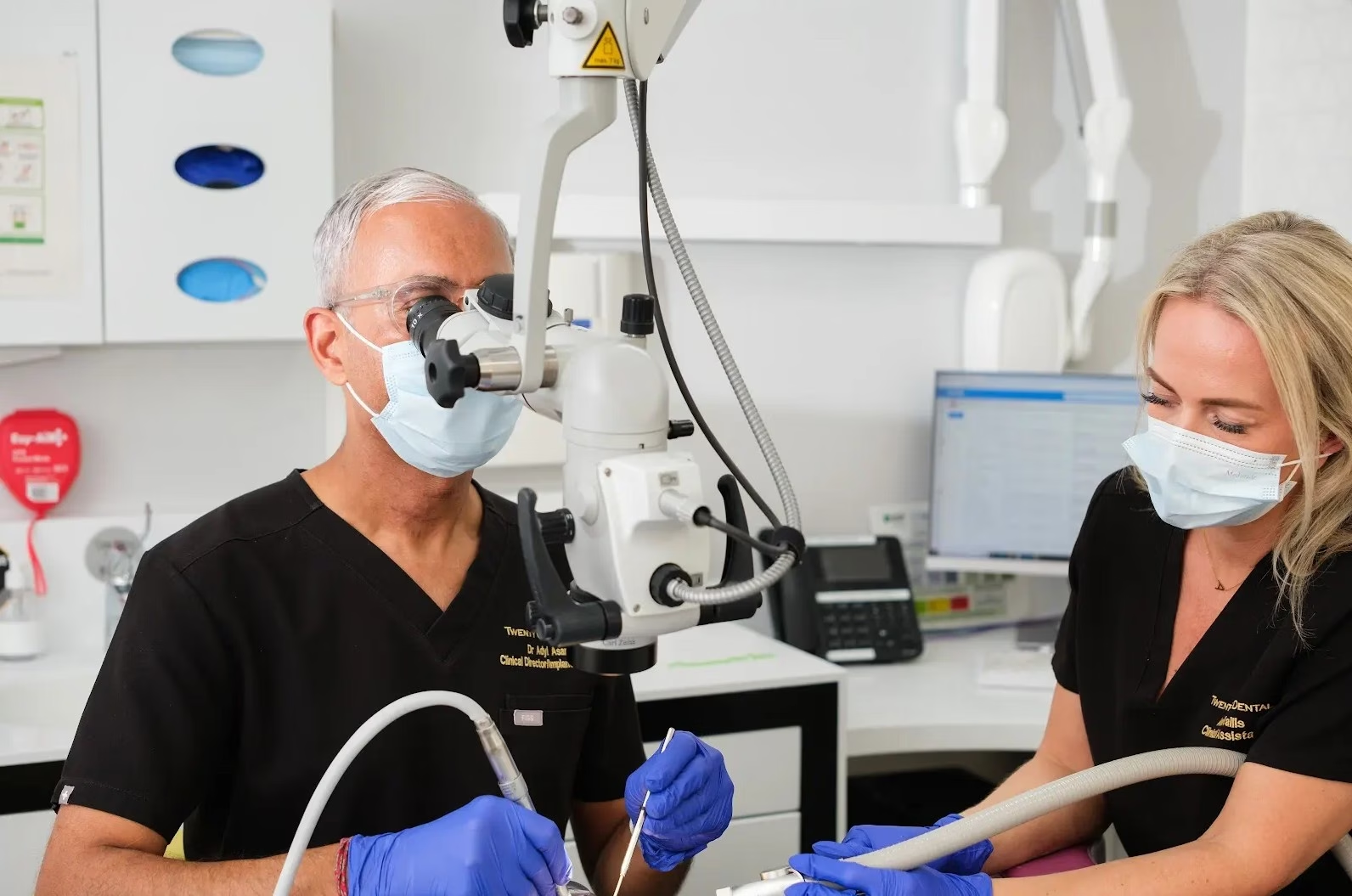
At TwentyOneDental, being a specialist referral clinic we provide in-house consultant-led oral surgery. Any extractions that you need, whether wisdom teeth or otherwise, will be performed expertly, precisely and gently.
Sedation
We completely understand that the prospect of any surgery is daunting which is why we offer sedation for nervous patients. Our dedicated sedation surgeon provides absolute patient assurance with their knowledge, understanding and above all total experience to providing support to our patients. In addition, we have a dedicated sedation suite to accommodate our patients who receive sedation, in a warmly lit suite with soft music cosy blankets whilst supported by our sedation team at all times, until recovery. A choice of teas and a light meal based on dietary requirements is offered pre-departure.
Simple extractions
If the wisdom tooth has fully emerged and there are no complications reaching it, we can remove the tooth by first numbing the area with a local anaesthetic and easing the tooth out of the socket, doing our best to keep it intact as we do. With a simple extraction, we often don’t need to use stitches.as the gum will naturally heal on its own without help. A blood clot will form in the socket and heal quickly. In some cases, the blood clot can become dislodged. This is called a dry socket. If this happens, get in touch. Food debris can become stuck in a dry socket and be a perfect place for bacteria to develop.
Surgical extractions
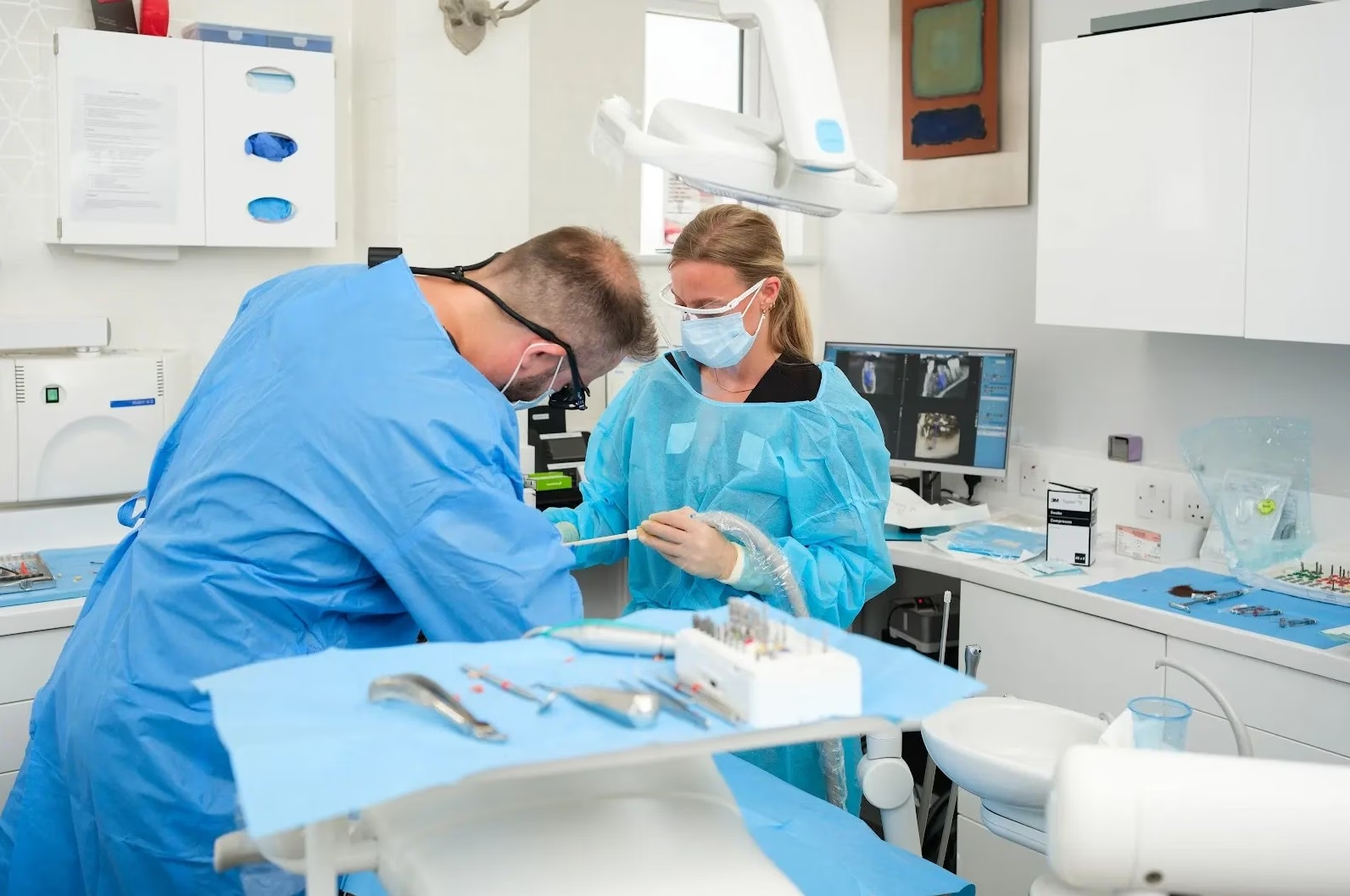
Sometimes, wisdom teeth extraction can be a bit more complicated especially if it has impacted or become infected. In these cases, we will need to use oral surgery to remove the tooth. As wisdom teeth are significantly larger than your other teeth, it is often easier to remove the tooth in parts. Once we have removed the tooth, we use stitches to patch up the gum and leave a dressing in place.We will either need to see you to remove them or will dissolve on their own.
Aftercare
Aftercare after wisdom tooth extraction is important to prevent complications and promote healing. Here are general guidelines for wisdom teeth aftercare:
- Rest as much as you can for the first few days and avoid strenuous activity
- Place a cold compress or ice pack on your face to help reduce swelling
- Keep the surgical sites clean by gently soaking them with an antimicrobial mouthwash
- Eat only liquid foods in the first 24 hours and avoid alcohol, coffee, soda or hot beverages
- Don't brush your teeth, spit or rinse your mouth during the first 24 hours
- Don't smoke (or vape) during the first 72 hours
- Keep gauze over the extraction site to manage bleeding
- Take over-the-counter pain relief or prescription meds as directed
Frequently Asked Questions
Do wisdom teeth have to be removed?
We only remove wisdom teeth if we foresee potential issues arising from x-rays or if they are already a problem. Most of the time, wisdom teeth grow without incident and last just as long as your other teeth.
Do wisdom teeth extractions hurt?
We always use local anaesthetic to numb the area. It will last after the treatment and when it starts to wear off, you may feel some discomfort. Painkillers such as paracetamol and ibuprofen can help manage any pain you feel after the treatment. If it continues to hurt for a few days, get in touch.
Do wisdom teeth need to be replaced?
No. Wisdom teeth act as a natural back-up for your existing teeth. Once they are gone, your existing teeth are more than up for the job.
Why have my wisdom teeth not grown?
It is common for people to never grow their wisdom teeth. As our teeth last much longer now due to modern oral hygiene practices and fluoride toothpaste, they aren’t necessary.
How many appointments does it take to remove wisdom teeth?
It will depend on the complexity of your case. We may need more than one appointment to first manage any infections or cysts that have built up around an impacted wisdom tooth. Before your treatment, we will provide a plan so you know exactly what appointments you have and the purpose for each.
Are wisdom teeth extractions an emergency?
If you are in severe pain because of impacting wisdom teeth, we will qualify it as an emergency – especially if there are signs of an infection.
Does my insurance cover wisdom teeth extractions?
It should as extractions count as essential treatment. If you are unsure, contact your insurance provider.